For over 22 years pancreatica.org has provided current, credible, and comprehensive information to those in need.
Cancer Patient’s Alliance is a 501(c)(3) non-profit organization. All donations are tax-deductible.
WE ARE HERE FOR YOU !
What is cancer?
Our body is made up of cells. Each cell is given instructions on how to grow and divide. These instructions are given in the form of genes in DNA. Every time that a cell divides, it passes on its DNA to the new cells. In order to do this, the cell has to make a copy of its DNA. When the DNA is copied, mistakes called mutations are sometimes made. These mistakes can change the instructions on genetic code that is located in the DNA. Luckily, there are also genes that tell the cell what to do when this happens. These are called DNA repair genes. They can find mutations and fix them, so that the cell can work the way that it should.
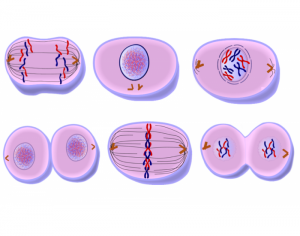
Usually, instructions in a cell’s DNA will tell it when to stop growing and dividing. But if a cell has mistakes (mutations) in the parts of the DNA that give instruction on when to stop growing, the cell may continue to grow. This is how cancer starts to form.
Cancer can happen anywhere in the body, even in the blood. A cell that grows and divides uncontrollably creates a lot of cells that grow in one area. This lump of cells is called a tumor (swelling). Not all cancers are tumors, but many of them are. For example, most cancers of the blood aren’t tumors. A tumor can stay in the area where it first started growing or it can spread to other parts of the body. If a tumor grows in one place in the body, it is sometimes a benign tumor. Benign tumors often don’t need to be treated and can sometimes be left alone. If a benign tumor is making it harder or impossible for the body to function the way it should, then the tumor may need to be treated or removed.
Tumors that spread aggressively to other parts of the body are typically malignant tumors (“cancer”). Malignant tumors can spread to areas that are close by as well as places that are far away.
When someone is diagnosed with cancer, the cancer commonly is named after the original anatomic place where it appears to have started. For example, someone who has cancer that started in the lungs and spread to the liver has lung cancer, not both lung and liver cancer. But this naming approach is a little complicated in practice, as liver cancer can spread to the lungs.
Malignant tumors are generally more harmful than benign tumors because they can spread throughout the body and can affect your health in many ways. For this reason, patients with malignant tumors usually have to go through more aggressive forms of treatment than patients with benign tumors. Malignant tumors can also be hard to remove with surgery, depending on the situation. When these types of tumors grow, they encourage new blood vessels to redirect nutrients from the main blood supply in the body. This gives them the “food” and energy they need to continue to grow and spread.
Malignant tumors can grow back when they are removed through surgery, but often benign tumors don’t come back.
Cancer is a complicated disease. Scientists are still trying to figure out how and why some cancers form. There are a lot of different changes in the body that can cause cancer, ones that we did not cover in this section. However, what we described in this section are the basics of how cancer often forms in the body. In the next section, we’ll talk about the types of cancer that start in the organ called the pancreas.
What is pancreatic cancer?
Cancer that starts (or is found) in the pancreas is typically called pancreatic cancer. The pancreas is a small organ that is located behind the stomach on the left side of the body. The large “head” portion of the pancreas is connected to the beginning section of the small intestines, near the gallbladder. It is an important organ because it’s involved in many systems in our body. The pancreas helps us digest food and keep the levels of blood sugar stable, for example.
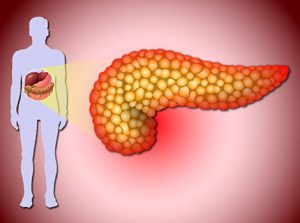
The pancreas is an important part of the digestive system. The digestive system is the group of organs that work together to give us energy from food and get rid of the parts that we don’t need. The pancreas makes special proteins called enzymes that break food down into smaller parts. These enzymes are made by cells in the pancreas and are sent through the pancreatic duct to the small intestine. Once food is broken down into those smaller parts, these nutrients can be absorbed by the intestines.

The pancreas also releases hormones, which are like chemical messages. Hormones are released from cells into the bloodstream and allow different parts of the body to communicate with each other. The system that controls hormones is called the endocrine system. This mechanism helps the different organs in the body work together to maintain internal balance.
A lot of hormones that have varying functions are made in the pancreas. One of those hormones is insulin. Insulin is released by the pancreas to lower the amount of glucose (sugar) that is in the bloodstream. It does this by helping cells absorb glucose, which they use for energy. Another hormone that is released is glucagon. Glucagon increases the amount of glucose in the bloodstream when the levels get too low. When your blood sugar gets too low, you might start to feel tired and hungry. The pancreas responds to this by releasing glucagon to get glucose out of cells and into the bloodstream. Insulin and glucagon help your body maintain stable energy levels throughout the day. There are more hormones that are released by the pancreas, but these are two of the main ones.
About 60,000 people per year get diagnosed with pancreatic cancer in the United States. More commonly, cancer of the pancreas starts in the part that releases enzymes to digest food. This part includes the cells that line the duct that leads out of the pancreas to the intestines. Cancer in these cells are called carcinomas. Carcinomas are tumors that are found in cells that are part of the lining of a structure. Another name for something that is shaped like a duct is that it is in an “adeno” shape. For this reason, the type of cancer that forms in the duct of the pancreas is called ductal adenocarcinoma. This is the most common form of cancer of the pancreas, as about 85% of patients who are diagnosed with pancreatic cancer have this type of cancer. As tumors in the pancreatic duct continue to grow, they can begin to block the duct and keep the pancreas from working the way it normally does. If the tumors get big enough, they can block the duct completely.
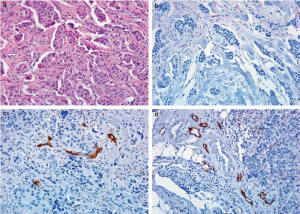
So, what causes these tumors to form in the first place? As we explained in an earlier section, mutations (or mistakes) in DNA that cause uncontrolled cell growth leads to cancer. Some patients have mutations in DNA that they inherited from their parents, which put them at a higher risk of getting pancreatic cancer. Scientists are still doing research on the different ways that ductal adenocarcinoma of the pancreas is formed.
About 75% of pancreatic cancer is found in the anatomic “head” and “neck” aspects of the pancreas. Less commonly it is found in the body and tail of the pancreas. The cells that produce and release hormones in the pancreas are called islet cells. For this reason, tumors that are formed in these cells are called neuroendocrine tumors or islet cell tumors. About 12,000 cases are diagnosed per year in the U.S. There are indications that the number of actual cases might be much higher.
Neuroendocrine tumors or islet cell tumors typically tend to grow slower than the main form of pancreatic cancer (ductal adenocarcinoma). Because they often don’t grow as fast and are created by a different type of pancreas cell, different types of treatment are used to fight islet cell tumors. These types of tumors can be functional or non-functional. Neuroendocrine tumors that are functional are found to release hormones. This increase in hormones creates symptoms that patients start to feel. Functional tumors tend to be named after the main hormone that they increase the release of. For example, if a tumor increases the release of insulin, it is called an insulinoma. Since there are a lot of hormones that the pancreas releases besides insulin and glucagon, there are many potential kinds of pancreatic islet cell tumors.
Another type of neuroendocrine tumor is a carcinoid tumor. These tumors can start in places besides the pancreas but can start or spread to the pancreas. Carcinoid tumors often grow slowly and can spread to other places in the body. They can release different types of hormones including serotonin.
Cancer of the pancreas can spread to different parts of the body. This can happen in any type of pancreatic cancer. Common places that pancreatic tumors spread to are the lungs, liver, and the lining that covers most of the organs in the abdomen (peritoneum). About 60% of islet cell tumors are metastatic, meaning that they advance to different parts of the body.
Pancreatic cancer is typically an unusually aggressive form of cancer that is partly amplified because people tend to only start to notice symptoms after the cancer has already spread. It is the third leading cause of cancer death. But not all tumors that form in the pancreas are malignant. Some are not harmful and may not need to be removed. In a later section, we will talk about risk factors that can reduce or increase your chances of getting pancreatic cancer. One of those risk factors is having a family history of pancreatic cancer. This does not mean that you will get this type of cancer, but it does put you at a higher risk
There are even many more types of pancreatic cancer. We touched on two the most common forms in this section.
James Abbruzzese, MD Chief, Medical Oncology Duke University
Markus Büchler, MD Chairman, Surgery Heidelberg University, Germany
Ralph Hruban, MD Director, GI / Liver Pathology Johns Hopkins University
Eileen O’Reilly, MD Associate Director for Clinical Research – Memorial Sloan-Kettering Cancer Center
Margaret Tempero, MD Chief, Medical Oncology University of California at San Francisco
Our Philosophy About Pancreatic Cancer
Pancreatic cancer is a serious disease. Taking an aggressive rational stance at the earliest possible time, supported by the best medical team, and treated in the most appropriate manner gives the best chance for survival.
We believe in strong patient-physician bonds, scientifically-based treatment, and that comfort can come from knowing that everything that reasonably can be done – is being done.
That the best approach is meeting cancer of the pancreas head-on and armed with the best available information.

Regular giving can be an opportunity to pay tribute in honour of a loved one. Your monthly gift will go directly to promoting awareness, increasing education, furthering pancreatic cancer research aimed at early diagnosis and, helping patients and families impacted by the effects of pancreatic cancer.
Simply select “Monthly” after choosing the amount you would like to give on the donation form.


All DONATIONS are tax-deductible